



Hello hello!
January is almost here (HOW?!)—which means “new year, new me” season is about to hit full force. For health and wellness brands, this is prime time. But the brands that win Q1 aren’t scrambling in January; they’re locking in their creator programs now.
Endlss removes the manual chaos and gives your team an OS that turns small teams into high-output ambassador revenue engines
Find the right ambassadors fast with AI search across 250M creators and instant lookalikes.
Activate automatically through AI outreach, invites, gifting, SmartLinks, and commissions.
Migrate Shopify codes instantly with zero disruption to your influencers or active deals.
Run cleaner programs with targeted broadcasts, auto restocks, and workflows that keep UGC coming.
See the true numbers with real time CAC, revenue, commissions, and gifting ROI in one place.
Keep creators moving with automated weekly payouts and full earnings visibility.
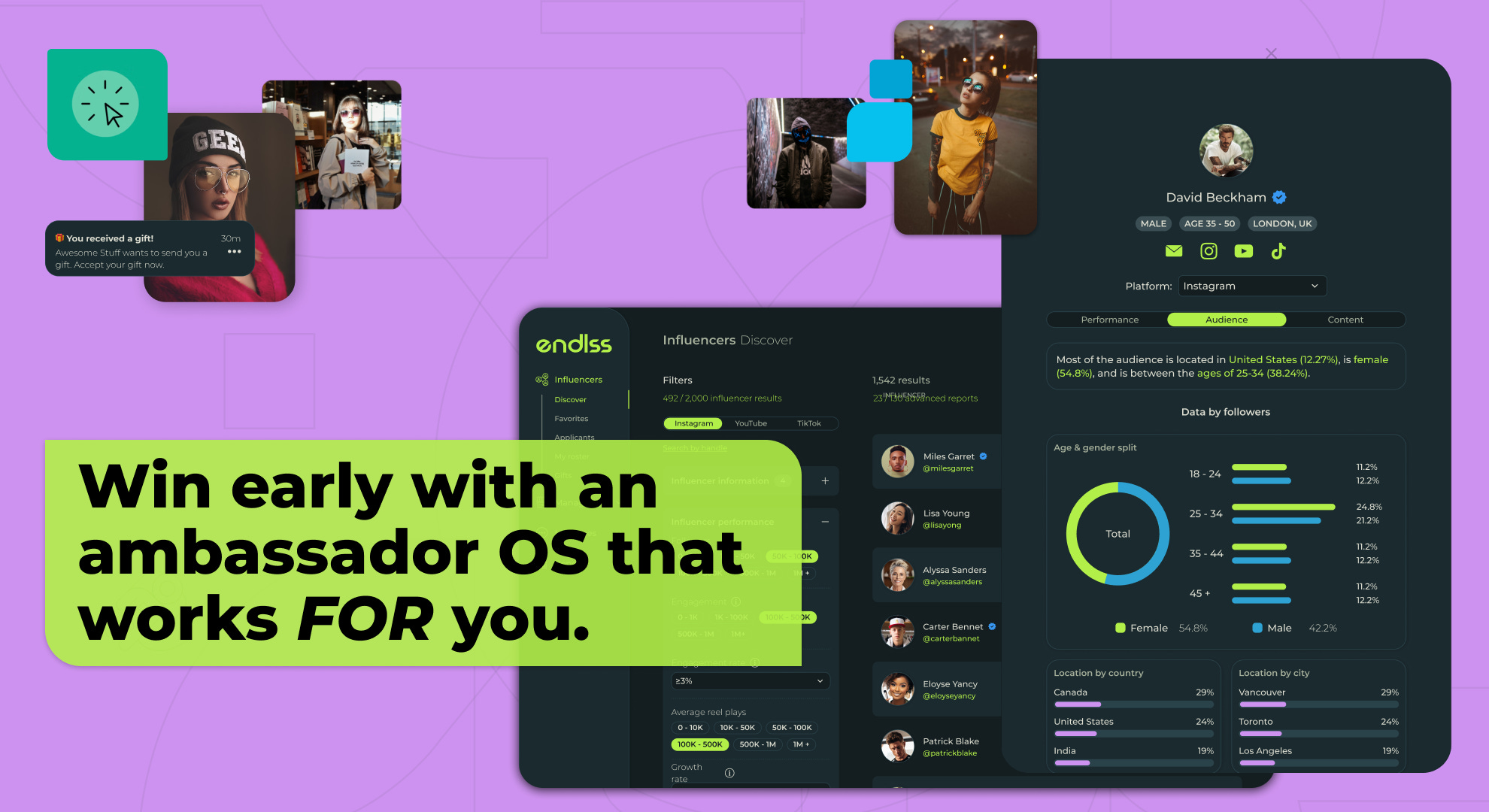
Start free with up to 50 ambassadors, or migrate your program and get 4 months for the price of 1 on any paid tier.
News From the Week 💄💋
If you’ve been on social media in the past two years, you know: lip care has quietly become beauty’s hottest category. Whether it’s Rhode’s Peptide Lip Treatment (complete with custom phone case), Summer Fridays’ explosive Lip Butter Balm, or e.l.f.’s perpetually sold-out Glow Reviver Lip Oil—the new must-have accessory is glossy, hydrated lips.
And just when we thought we’d reached peak lip care, the category keeps expanding. This week, former Goop VP Jaimee Holmes launched Fel Beauty at Sephora with a $22 lip-and-cheek balm called Kissylips.
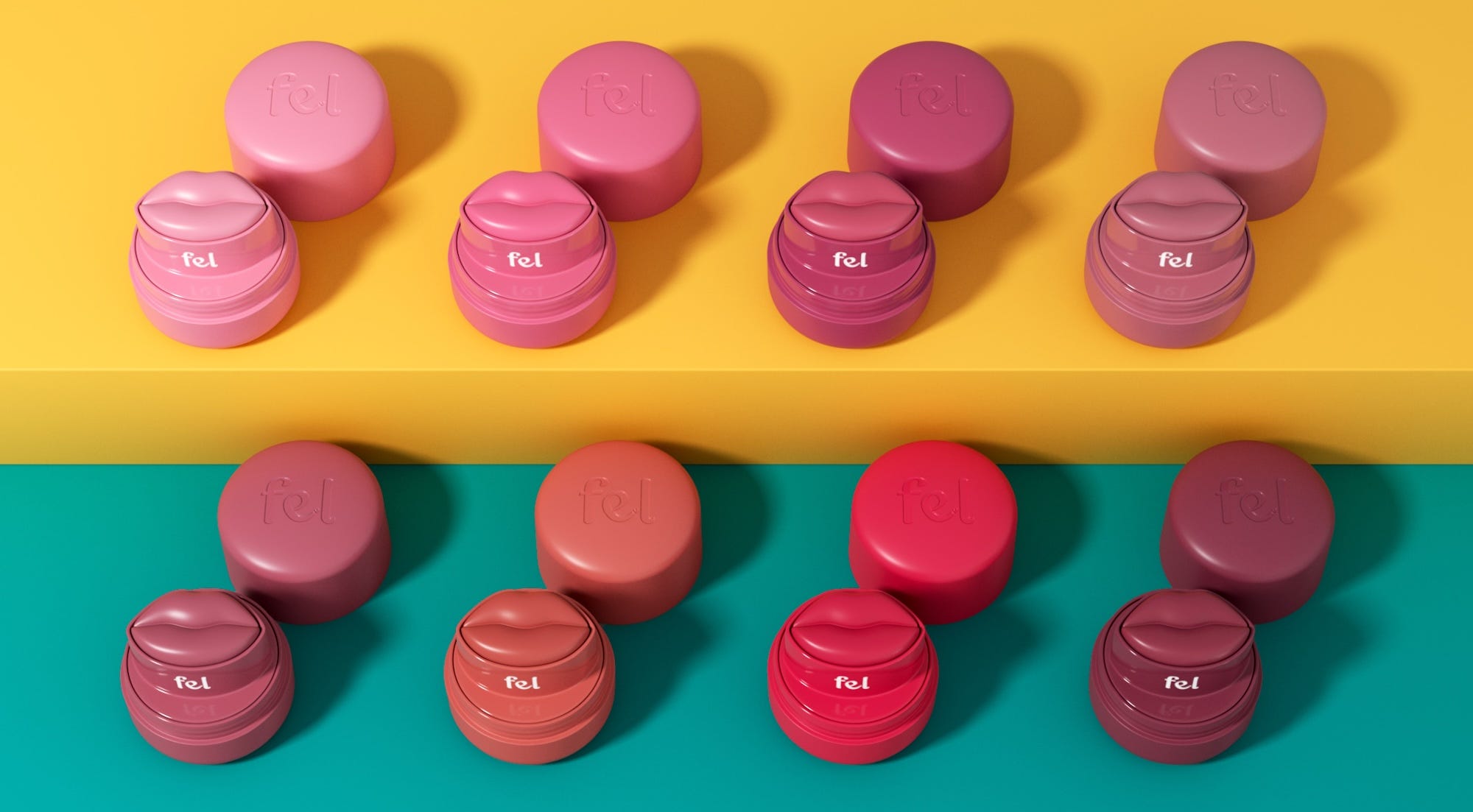
Walk into any beauty retailer and the pattern is clear: seemingly every brand is entering this category, from Starface—the pimple patch company—to Gisou, a haircare brand whose lip oil became its most popular item.
If it feels like a new lip care product launches every day, that’s because it basically does. Welcome to “the lipification of beauty.“
The numbers tell the story: The global lip care market hit $2.47 billion in 2024 and is projected to reach $3.48 billion by 2030. And with that growth…
Lip products now account for 15% of total US color cosmetics retail sales, up from 13.1% in 2022—literally stealing market share from another category.
Retailers are making room for this category, expanding shelf space by 18.2% last year.
So, why is this happening? There are a few reasons that lip balm is booming…
Lip care is the perfect gateway product. It’s…
Low-commitment. True Beauty Ventures has called lip care the new Lipstick Index: when money’s tight, a $22 lip balm feels like an attainable luxury. You want to try a new brand, but can’t justify a $70 serum? Grab their lip product first.
Low risk. As brand strategist Camille Moore noted, for decades, beauty behemoths like Clinique, CeraVe, and Neutrogena built empires on face wash as their gateway product. But Summer Fridays spotted what traditional brands missed—that people are loyal to face wash (and can only try one face wash at a time), but eager to try new and fun lip care product (and can try multiple at any given point). Now, Summer Fridays claims 10.5% of Sephora’s entire skincare market share thanks to its Lip Butter Balm.
Built for collecting. 40% of US women ages 18-34 now use four or more different types of lip products, building “lip wardrobes” with the same energy once reserved for eyeshadow palettes. When each shade or flavor feels like a distinct experience, you don’t just buy one—you buy five.
The credibility of skincare meets the fun of makeup. The line between skincare and makeup has never been more blurred than in the lip category. You’re getting peptides, hyaluronic acid, ceramides—the ingredients of a $80 serum—but in a glossy, Pink Sugar-scented balm you can reapply without a mirror.
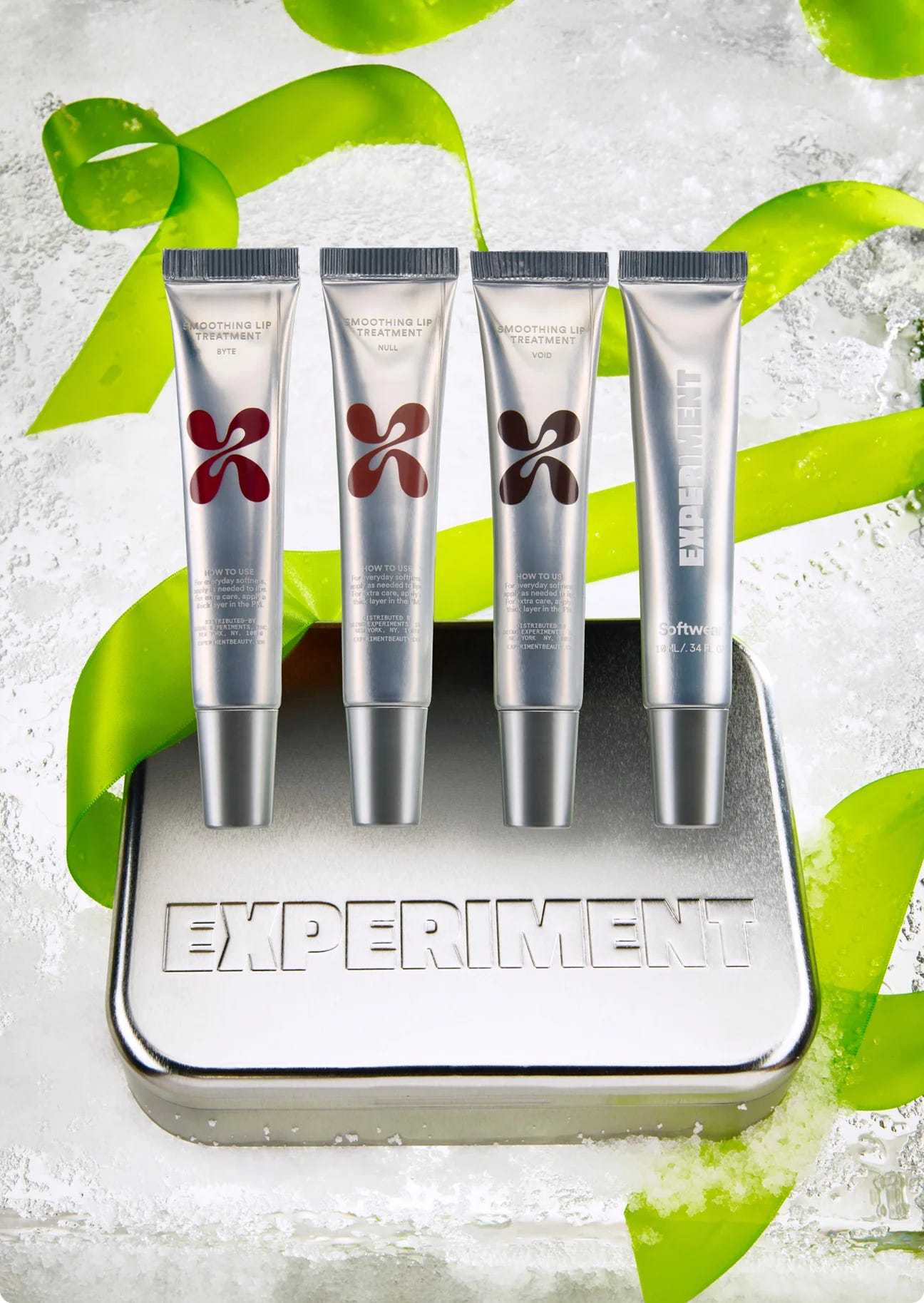
And for brands? The math just… maths. We talked to Lisa Guerrera, co-founder and CEO of Experiment Beauty—a skincare company that just launched shaded versions of its viral lip care product, Softwear. She told us:
“[Lipcare] gives an avenue for skincare brands to expand into some color with different shades from one hero lip balm formulation. That helps increase repeat purchases—it encourages people to buy multiples because they want to try the different tints or flavors. For skincare especially, it’s helpful because people will more likely buy more into the brand to try multiple different iterations of the same product.”
So… will the bubble ever pop? As Lisa reminded us, “since so many brands have released lip balms, consumers are also more likely to hop around and try different brands in pursuit of the holy grail.” In other words, the lip care boom is built on repeat trial, not repeat purchase.
In 2026, consumers already have 20 lip balms. If yours is #21, you better have a damn good reason why.
CPG & Consumer Goods
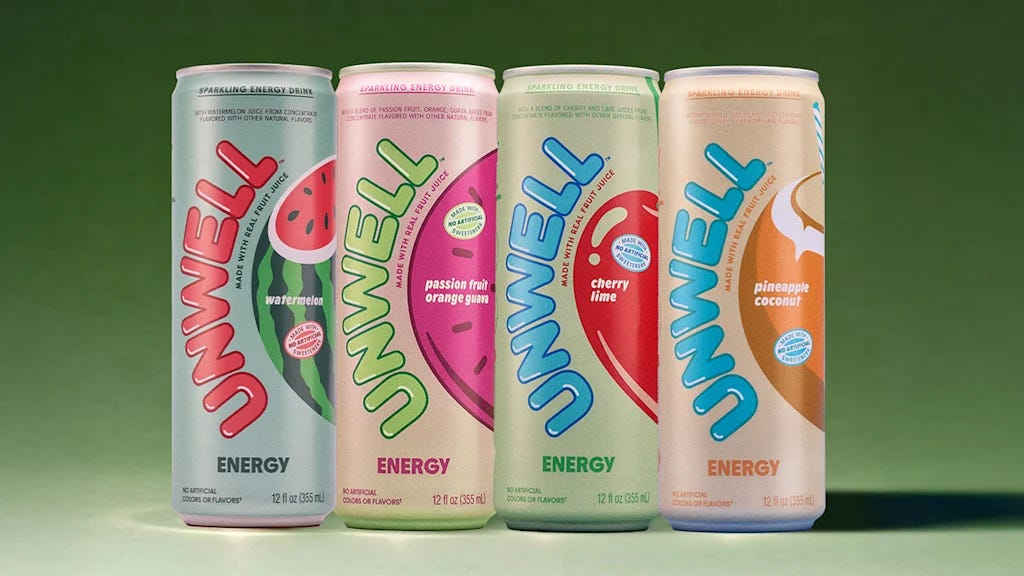
Energy for the girls. Alex Cooper’s Unwell Beverages (launched last year as Unwell Hydration) is officially launching a line of energy drinks: Unwell Energy, with 150mg of caffeine from green tea extract, biotin, three grams of sugar, and sweetened with a blend of cane sugar and stevia. The sweetener choices make this product stand out amongst the category—a blend of natural sweetener (as opposed to sucralose, which is found in most zero-sugar energy bevvies) and real sugar.
This line extension isn’t surprising in the slightest. Energy drinks, especially those targeting female consumers, are experiencing significant growth. According to a recent survey, 37% of women between 18 and 34 said they consumed a “fitness energy drink” in 2025, up from 27% in 2023.
And several brands have capitalized on this trend:
AlaniNu, arguably the market leader in and catalyst for the current female-focused energy drink category, has proven a rousing success for Celsius who acquired it for $1.8 billion this year. Over a 13-week period in ending Nov 2025, they captured 6% of total US energy drink spending raking in $368 million, a 52% increase from a year ago! Celsius is still king, though—the brand pulled in just over half a billion during the same period.
Bloom Nutrition: The viral supplement brand launched its sparkling energy drink last summer, and already sold over 35 millions cans in its first year. They generated $8 million in sales within the first six months.
Monster’s FLRT: Monster (which controls over 30% of the energy drink market) opted to develop its own line targeting women from scratch. They clearly want to control everything and move quickly, especially with brands like Bloom and really AlaniNu coming at them FAST.
When brands like Bloom launch an energy SKU and go from 0% of the market to a little over 1% effectively overnight, a brand like Monster is going to take notice. Shocking how when you address an underserved/undermarketed market how quickly it pays off…
SHOTS SHOTS SHOTS SHOTS. C4 Energy is officially entering the energy shot business with the launch of 200mg caffeine Energy Shots. Sounds a whole lot like a brand that’s been in convenience stores for the past 10+ years…
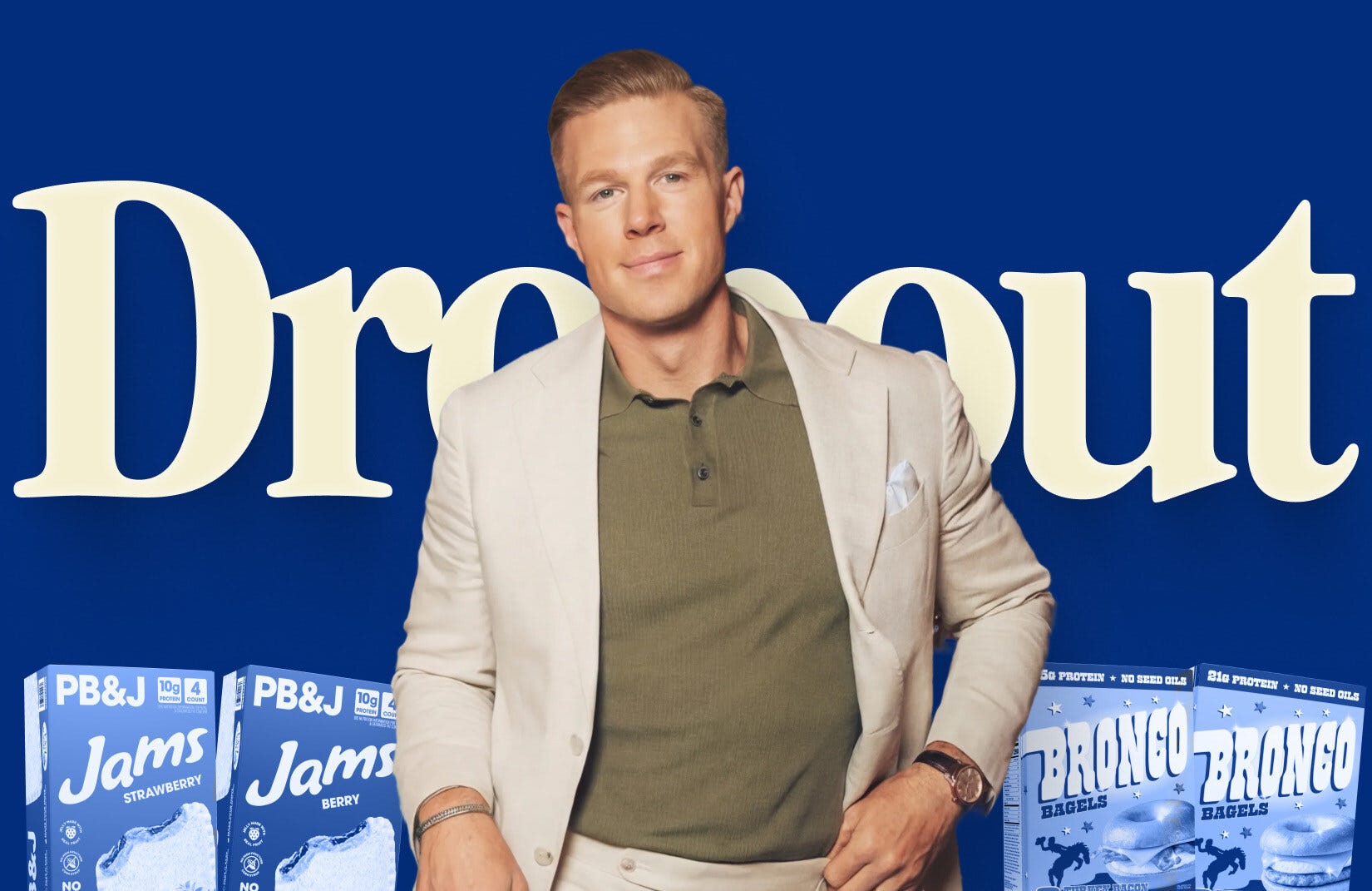
The next big CPG company? Stephen Ellsworth, Poppi’s co-founder, is betting on the next generation of CPG brands, joining as Operating Partner at DropOut Companies. The holding co currently has two brands: JAMS PB&J, a competitor to Uncrustables that launched in Walmart and Target nationwide within its first four months, and Bronco, a high-protein, “seed oil free” frozen breakfast bagel sandwich set to launch in 2026.
The company MO is to recreate better-for-you versions of “childhood classics.” Any predictions for what they’ll launch next? Shoot us an email with your best guess👀 hello@expresscheckout.co
Oreos just got controversial. Oreo is launching Zero Sugar Cookies for the first time ever in the U.S., available in regular and Double Stuf varieties starting January, sweetened with maltitol and sucralose.
People have some thoughts on this one. Many don’t like sugar alcohols, because they are poorly absorbed in the small intestine and can lead to digestive troubles for some. Neil Greathouse (1.3M views) and Liam (500K views) took to TikTok to plead consumers not to eat the new Oreos.
This is a classic case of a brand trying to reach a new consumer segment, and somehow becoming contentious to its current target market. OG Oreos still exist!! This is just another option for people who can’t—or don’t want—added sugar in their diet!! Oreo isn’t claiming these are “better-for-you” on the package, nor are they encouraging you to eat the whole box—in fact, they come in pre-portioned packs of 2 cookies. I fear we’re getting fired up about the wrong things. - J
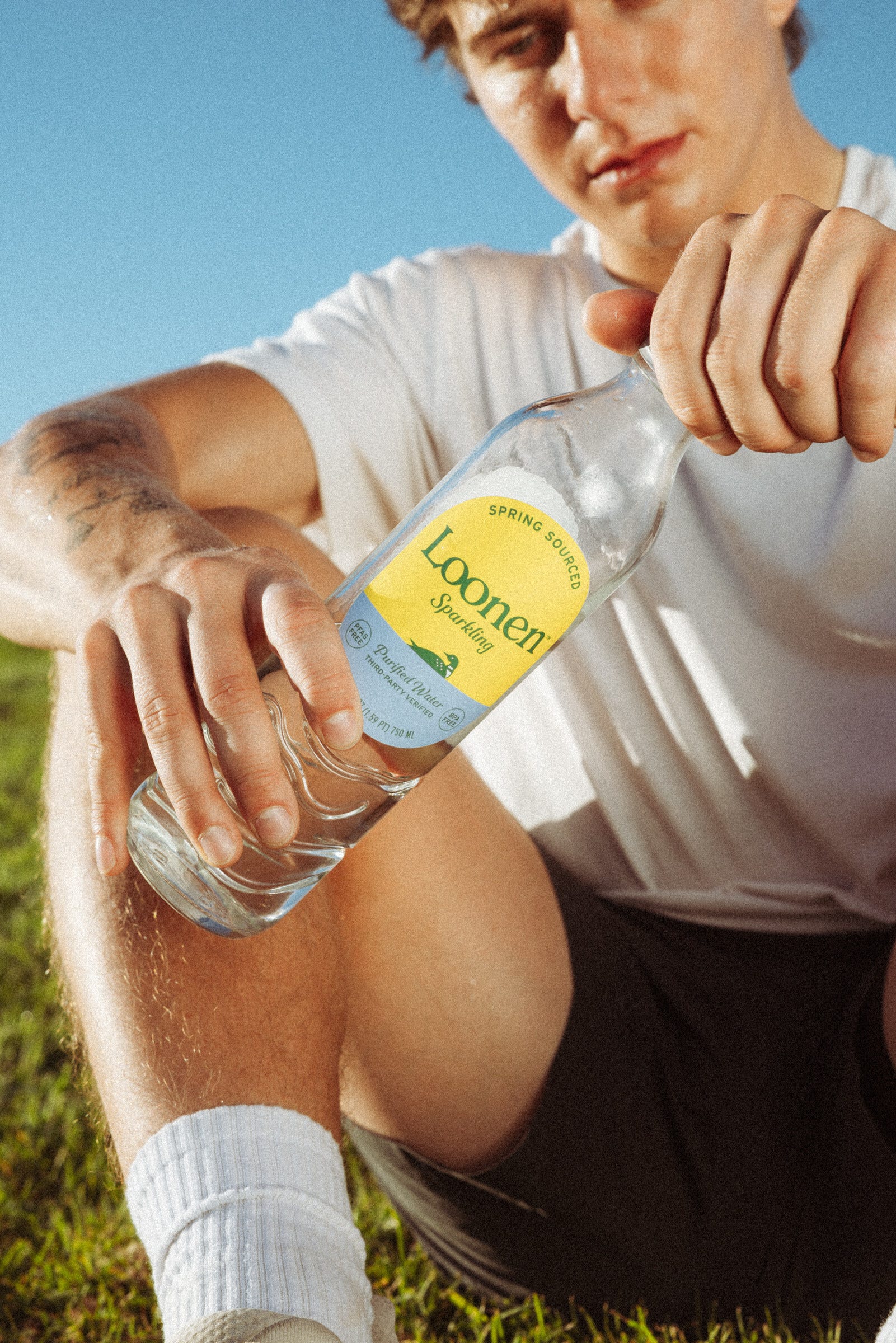
Bottled water, ever heard of it? Loonen is a new glass-bottled, spring-sourced water brand that just launched. The brand also secured $6M in funding led by Brand Foundry Ventures. The new brand will launch in select retailers across California and on Amazon.
For a new, and arguably crunchy wellness focused brand, I’m shocked to see it’s launching on Amazon. I feel like a few years ago we wouldn’t have seen a brand like Loonen launch there. It’s a sign of the times, wellness is not just at Erewhon anymore it’s a mass market thing now. - N
From GoPuff exclusive to nationwide retail. WNBA star Paige Bueckers joins as equity partner at Good Eat’n, a plant-based snack company founded by fellow basketball star Chris Paul. Together they’re co-launching Ragerz™, a better-for-you, plant-based spicy snack (a Takis competitor) in Walmart and H-E-B nationwide.
Good Eat’n actually started a GoPuff exclusive brand they incubated together in-house and launched in 2022. It’s cool to see Chris really take this brand as his own and grow it beyond a app-exclusive product.
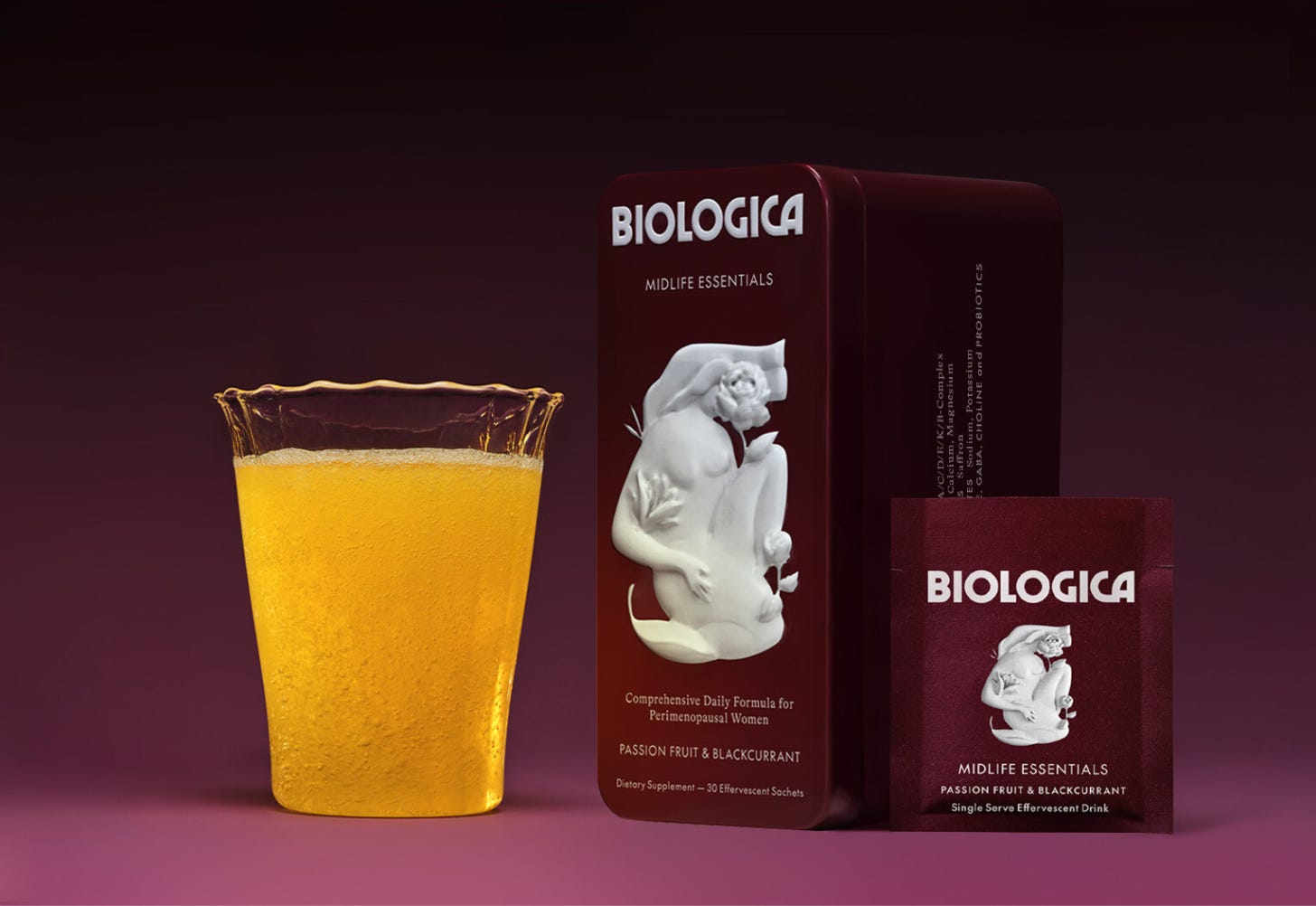
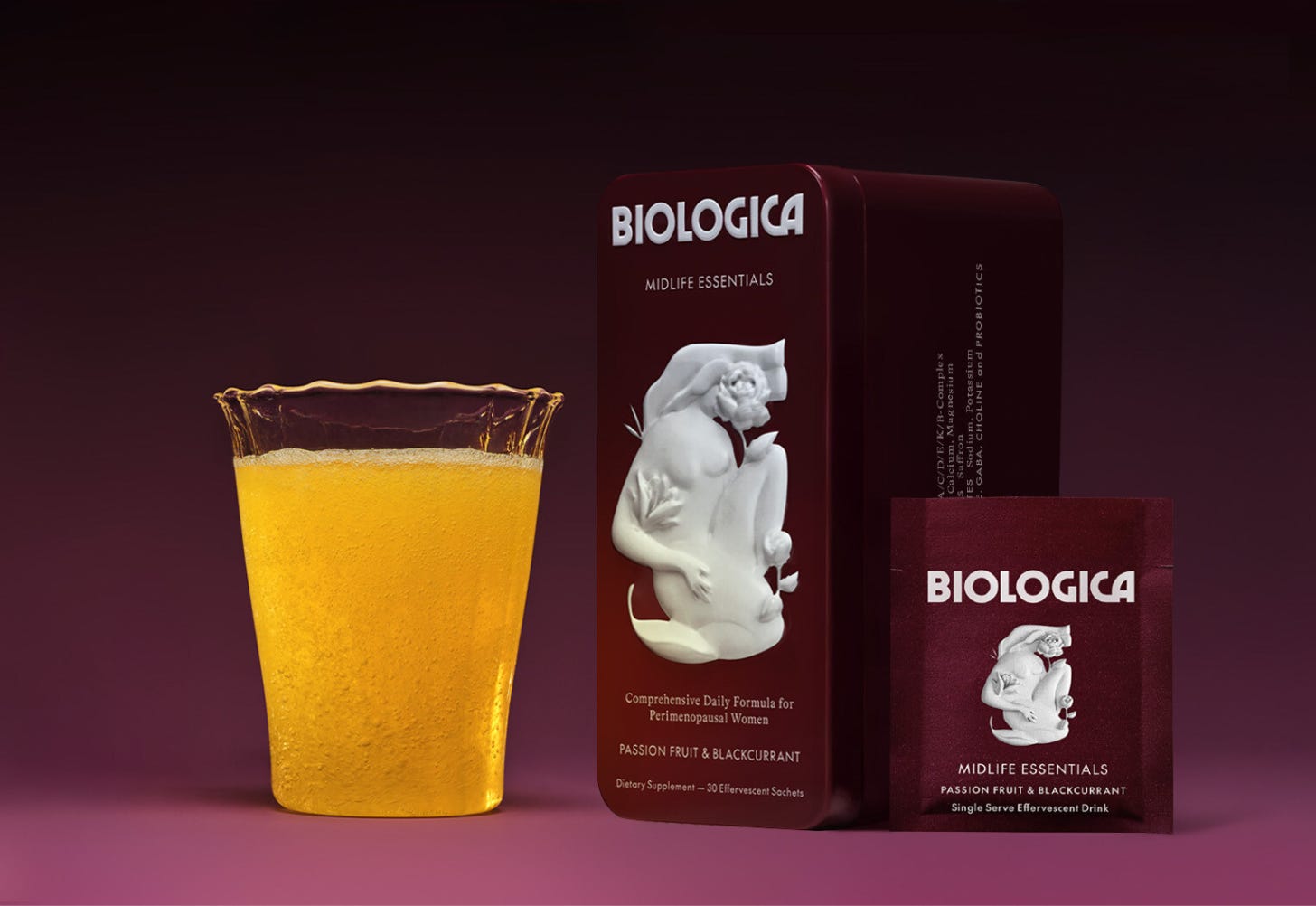
From shoes to supplements… Joey Zwillinger, Allbirds co-founder, launched Biologica with his wife Liz, a women’s health supplement company targeting hormonal needs across life stages. The startup raised $7 million in seed funding, led by Addition.
Menopause and perimenopause are hot right now (pun intended). Companies like Perelel, which just raised $27M, and Thorne are offering targeted solutions for women navigating hormonal transitions. The women’s hormonal health market is expected to grow significantly—moving from taboo to mainstream.
…and from chocolate bars to (you guessed it) supplements. Jim Murray, co-founder of Feastables, is launching Anomaly Health, a proactive daily supplement for families designed to prevent year-round illness. Prior to starting Feastables with MrBeast he was the president of RXBAR, so Jim is no stranger to scaling and growing CPG brands.
These two launches represent opposite ends of the supplement spectrum: hyper-targeted (cycle-syncing, life-stage specific) versus universal family wellness. Both are betting big—but on very different consumer needs. Biologica is banking on personalization and hormonal precision, while Anomaly is going for simplicity and one-supplement-fits-all convenience.
Evidently, every road leads to supplements. And that makes sense: Consumers are prioritizing their health more then ever and are actively taking steps to be healthier.
A third of Americans now describe themselves as being in health “optimization mode,” according to a (fantastic) new survey from The New Consumer and Coefficent Capital. Two-thirds of Americans now take supplements, rising to 80% among Gen Z.
But here’s the nuance: 32% describe their routine as “targeted” (2-4 specific items for specific goals), while 39% still stick with a single multivitamin—suggesting there’s room for both approaches to win.
eCommerce
More ultra-fast delivery options. Uber is integrating with Shopify Plus merchants in the US, Canada, and France to bring same-day, one-hour, and scheduled delivery directly into their checkout experience. Through this partnership, known as Uber Direct, retailers can offer trackable delivery powered by Uber’s delivery network.
We’ve explored ultra-fast delivery in a past newsletter + podcast, but TL;DR: The delivery race is heating up across major players. Walmart is expanding drone deliveries to reach customers in minutes, Amazon has introduced 30-minute delivery options in select markets, and Target rolled out overnight delivery.
This only works for retailers that use a Shopify Merchant POS, and have physical retail stores (which also means that deliveries can only be local—10-15 miles—from the stores). But I predict that soon, there will be a GoPuff model for the most popular Shopify DTC-only brands, where they’re stocked in warehouses across the country and use Uber delivery drivers for ultra-fast delivery. - J
Retail
Instacart is in some trouble. A new study from Groundwork Collaborative and Consumer Reports revealed that Instacart is supposedly charging different prices for the same items, with disparities ranging from 13% to 23%, potentially costing shoppers thousands of dollars per year. In fact, researchers found that overall Instacart basket totals varied by an average of about 7% for the exact same items from the exact same locations, at the exact same time.
At a time when consumers are more price-sensitive than ever, this is terrible optics for Instacart. With inflation and grocery prices already so high, artificially inflating prices to test what consumers will pay is a very bad look and a distasteful practice. Especially since Instacart isn’t the retailer, they’re the middleman helping getting your groceries delivered.
Betting on Dry January. Thrive Market is removing all alcohol products to make way for over 100 non-alcoholic options, betting on a booming alcohol-free market as consumer preferences shift. And of course, doing this right before Dry January starts.
Funding
Lost in the sauce. Just a year after acquiring Sovos Brands—owner of Rao’s—for $2.7B, Campbell’s is investing $286M for a 49% stake in the manufacturer of Rao’s pasta sauce, with an option to acquire the remaining 51%.
Rao’s has seen revenue increase 400% since 2019 and half of all U.S. households purchased it in the last year.
The pasta sauce category has been heating up over the past years, especially in the restaurant-to-retail pipeline, with brands like Carbone starting to come up in the ranks. Countless upstarts like Sauz, Monte’s, Yo Mama’s, Ciao Pappi, Truff, Harry’s Famous, and Matriark are claiming their space in the sauce aisle. Chef-led brands like Martone Street are now hoping to capture some of that market share.
Sauz, the scrappy Gen Z-founded startup that went from zero to nearly 7,000 retail doors in just two years, experienced a 148% increase in overall revenue and a 250% increase in online sales through its innovative, bright packaging and bold, modern flavors like Hot Honey Marinara. The brand now brings in nearly $1 million per month selling jars that generally retail between $8 to $10. Sauz wasn’t just an upgrade for current sauce buyers—it brought entirely new, branding- and culinary-focused shoppers to the sauce aisle.
Betting on simple protein. GroundForce Capital invested in Righteous Felon, a fast-growing craft jerky brand with 100%+ YTD sales growth.
Meat snacks are having a moment: Chomps is experiencing explosive growth with 161% year-over-year sales growth, far outpacing the category’s 16.1% growth. They’re on track to generate close to $1 billion in sales this year, up from just $50 million in 2019. To meet demand, they’re opening a new 160,000-square-foot plant in Nebraska by 2027 that will boost production capacity by 15%. Meanwhile, Jack Link’s opened a $450 million processing plant in June 2025, and Archer opened a second plant in Los Angeles this month (December 2025) that will nearly double its manufacturing capacity.
Bye bye vitamins. Church & Dwight has signed a deal to sell its VitaFusion and L’il Critters brands to Piping Rock for an undisclosed sum, yet another example of a massive strategic CPG company streamlining its portfolio to focus on core products.

Check out our recent episode of The Curious Consumer, with new episodes every Wednesday.
If you haven’t yet, please subscribe, like, leave a comment, and share it! It helps us continue to bring you the most interesting news + nuance in consumer and retail every week.